About Rhizoform
Made one at a time, for the right reasons.
Rhizoform is a small maker shop on the West Coast. We design sculptural planters in five geometric lines, print them in-house on a three-machine Bambu Lab fleet, and ship them made to order. No factory, no warehouse, no minimum run. Each piece is a single continuous print — the geometry on screen is the geometry in your hands.

Five design lines. 30 forms.
Premium and purposeful,
not high-volume.
We make in small batches — the kind of shop where the person who designed the form also set the print. The five Rhizoform lines (Nuda, Orbis, Axiom, Obliq, Cannello) each carry six forms, from table-scale vessels to floor pieces that reorganize a room. Every dimension is published on the product page. Every piece ships with drainage and a matched saucer built into the form.
Printed in-house
Three machines.
One print at a time.
Every Rhizoform piece comes off one of three Bambu Lab FDM printers — two P2S and one X2D — running in a small studio print farm. We don’t outsource fulfillment. Each form is printed as a single continuous object: no bonded assemblies, no post-print armatures. Layer height, wall count, and infill are tuned per form and published in the specs accordion on every product page. Print orientation is chosen for structural integrity first, surface quality second.
- Fleet
- 2× Bambu P2S + 1× X2D
- Print method
- FDM, single continuous object
- Fulfillment
- In-house, made to order
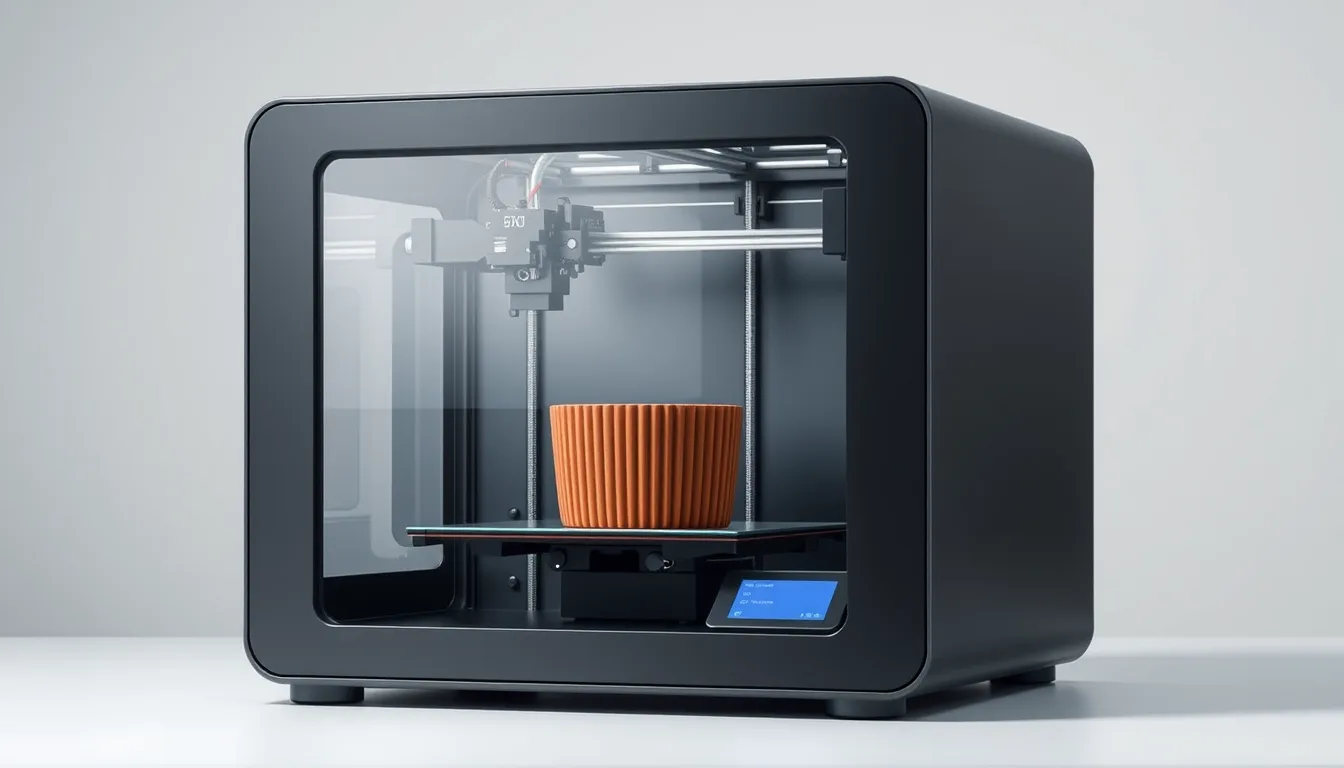

Plant-derived. Matte. Made to last.
No glaze. No kiln.
No chemical finishing.
Rhizoform planters are printed in matte PLA bioplastic derived from corn starch — a plant-based polymer that’s dense, warm to the touch, and color-stable without any coating. The earth tones come from the material, not paint. There’s no glaze firing, no solvent dip, no post-process sealing. Misprints and support material go back into the recycle stream. A planter that holds living things should be made from something that respects them.
The collection
Five lines. Thirty forms.
Every one made to order.
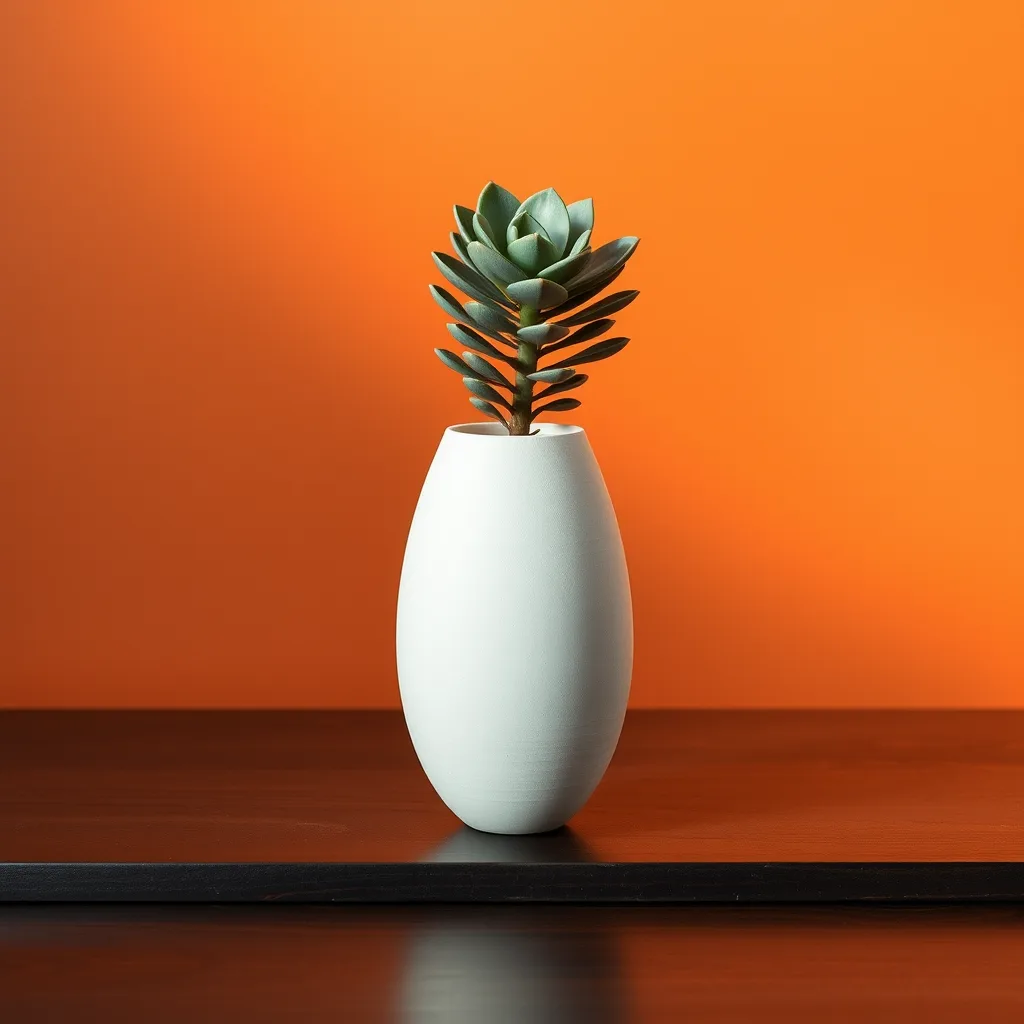
Nuda
Nuda
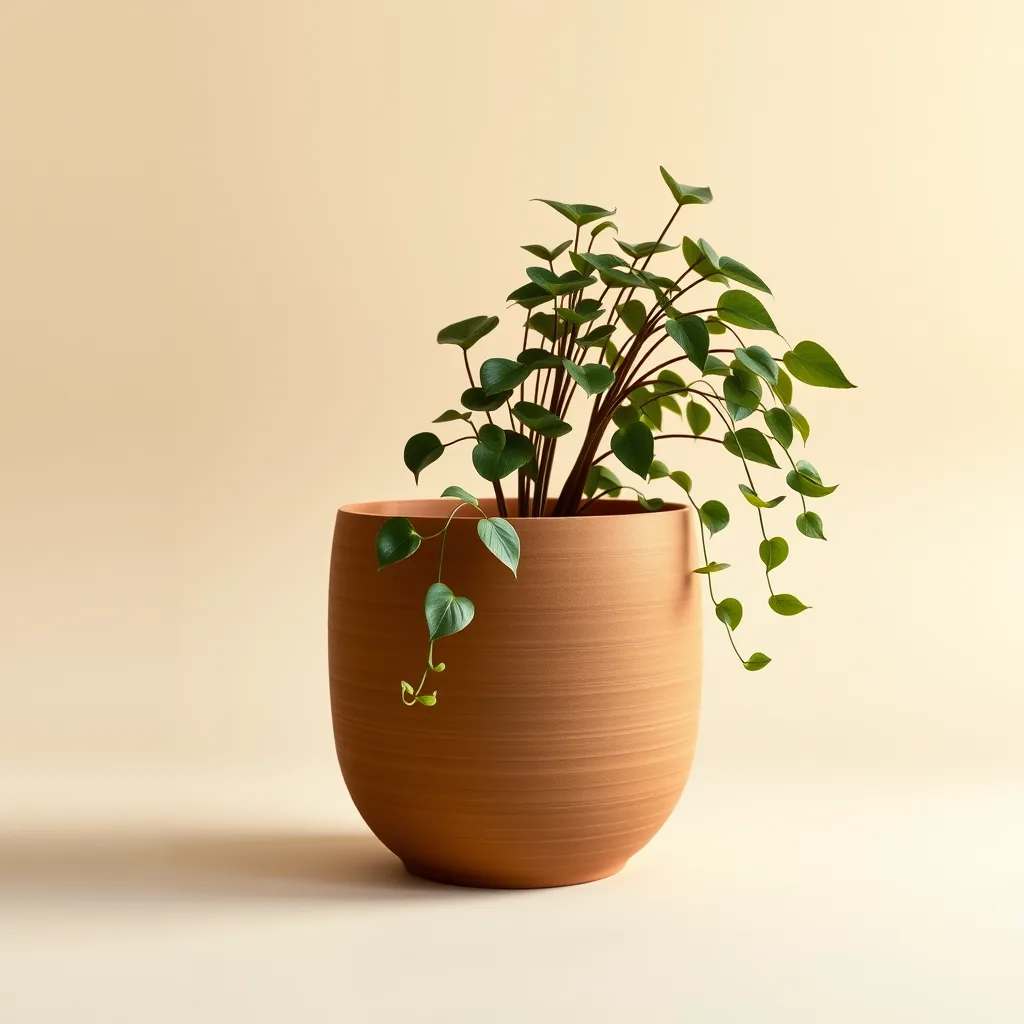
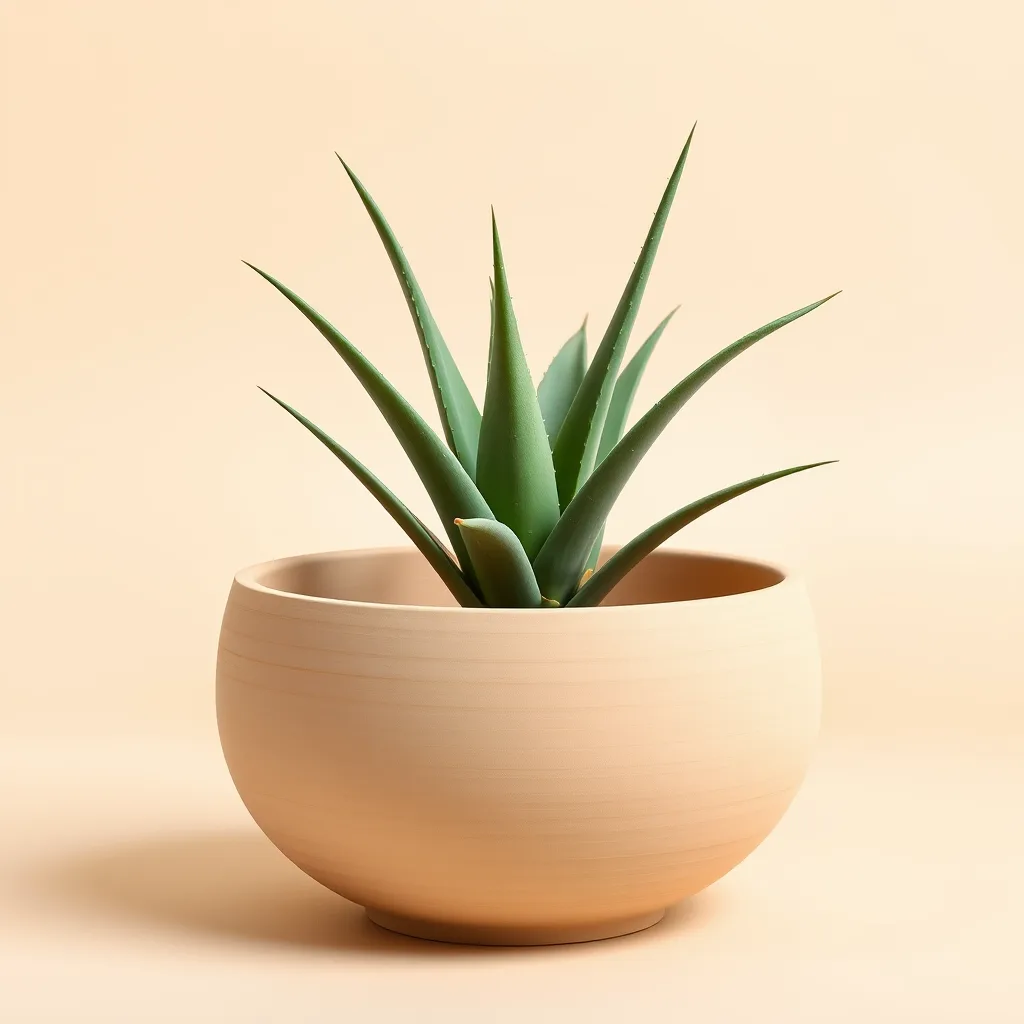
Organic forms rooted in natural structure — the core Rhizoform vocabulary.
Orbis
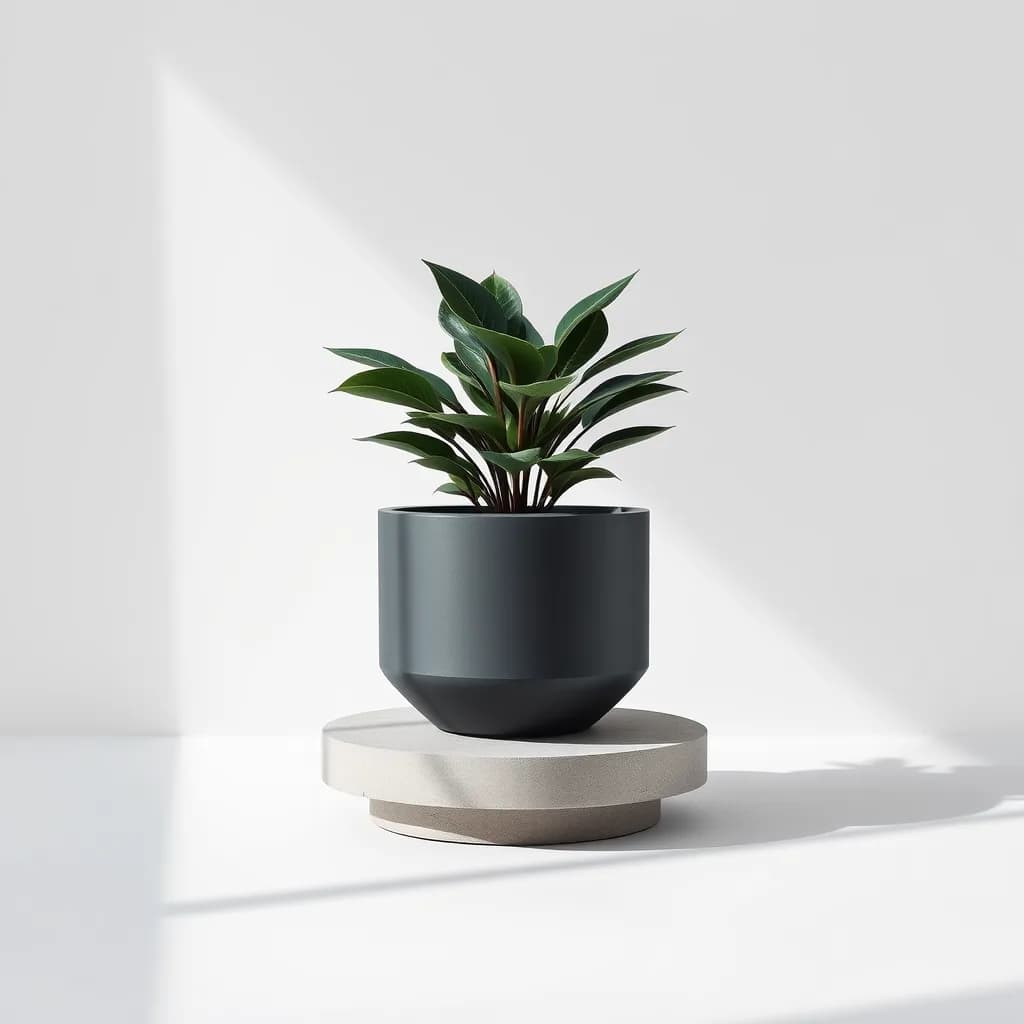
Orbis
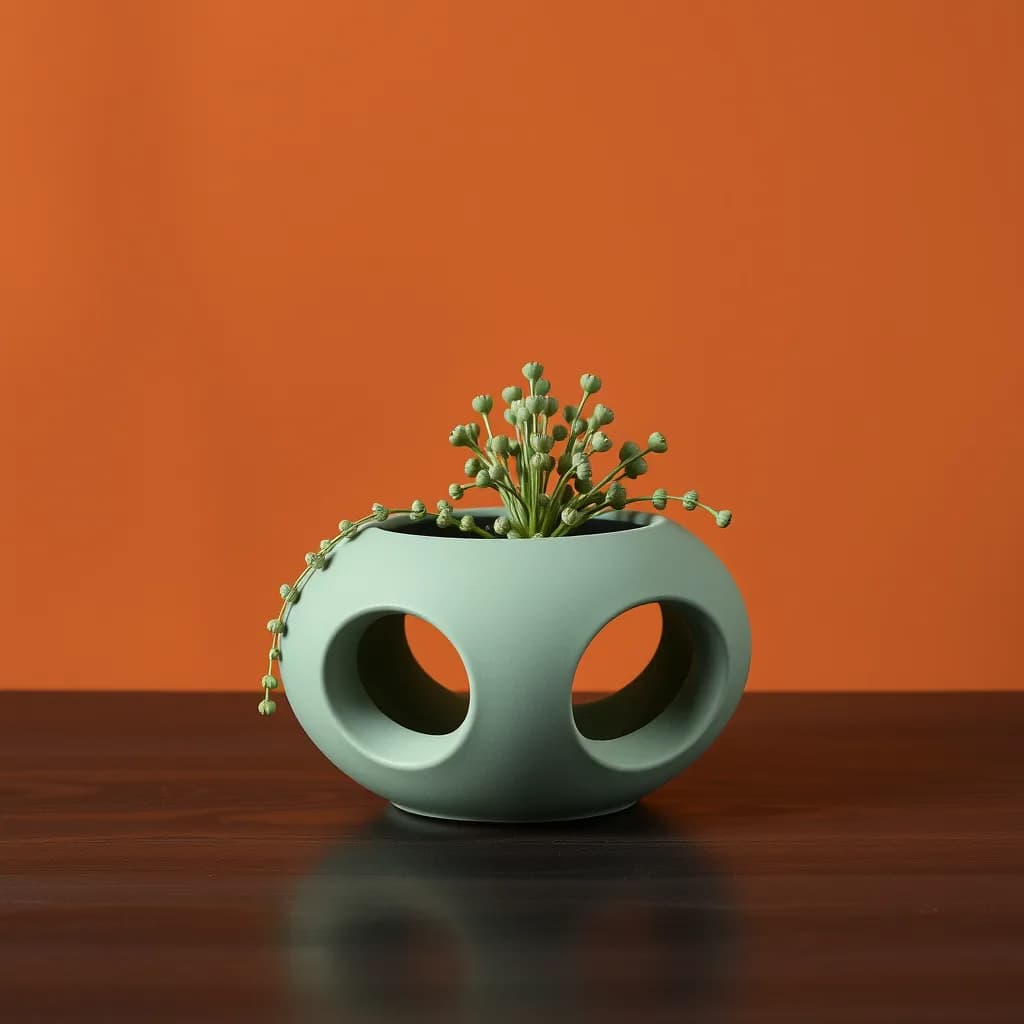
Biomorphic geometries that blur the line between grown and designed.
Axiom
Axiom
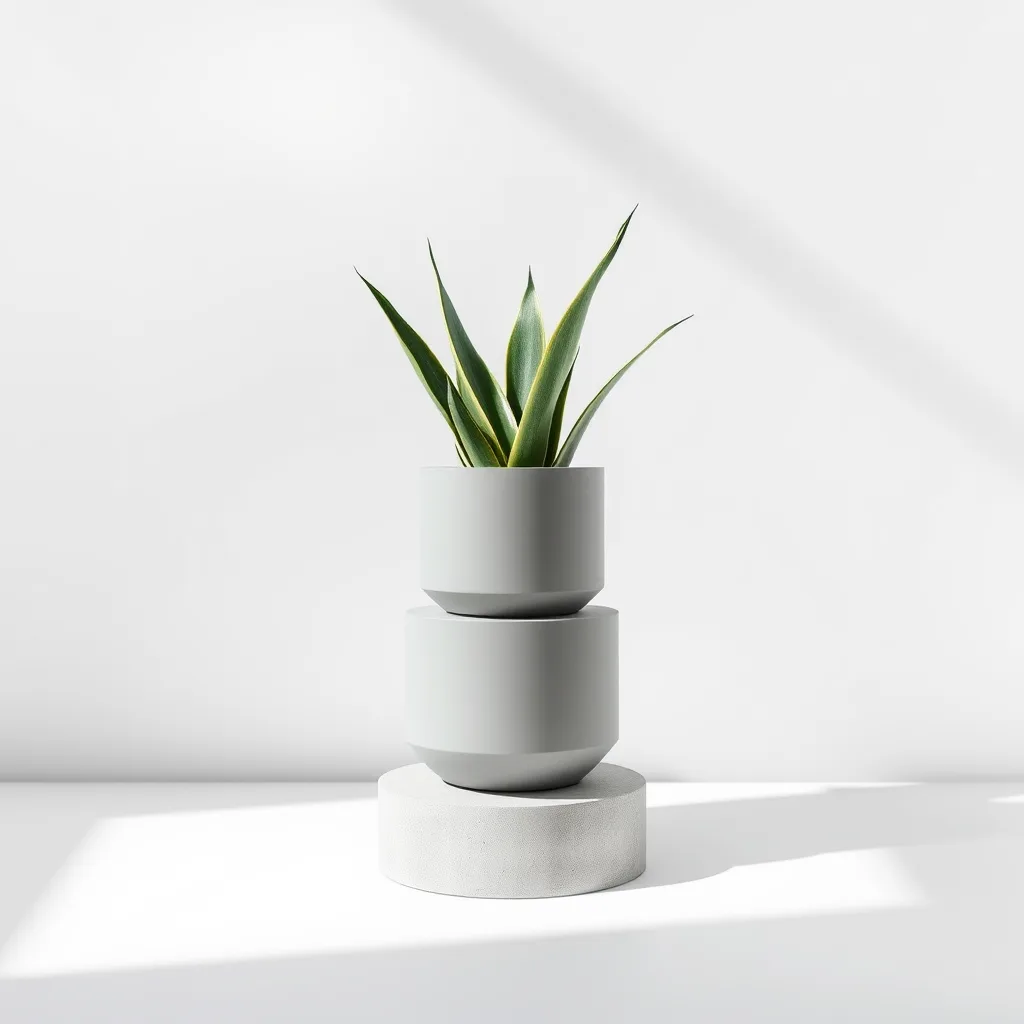
Stacked strata and precise planes for spaces that demand structure.
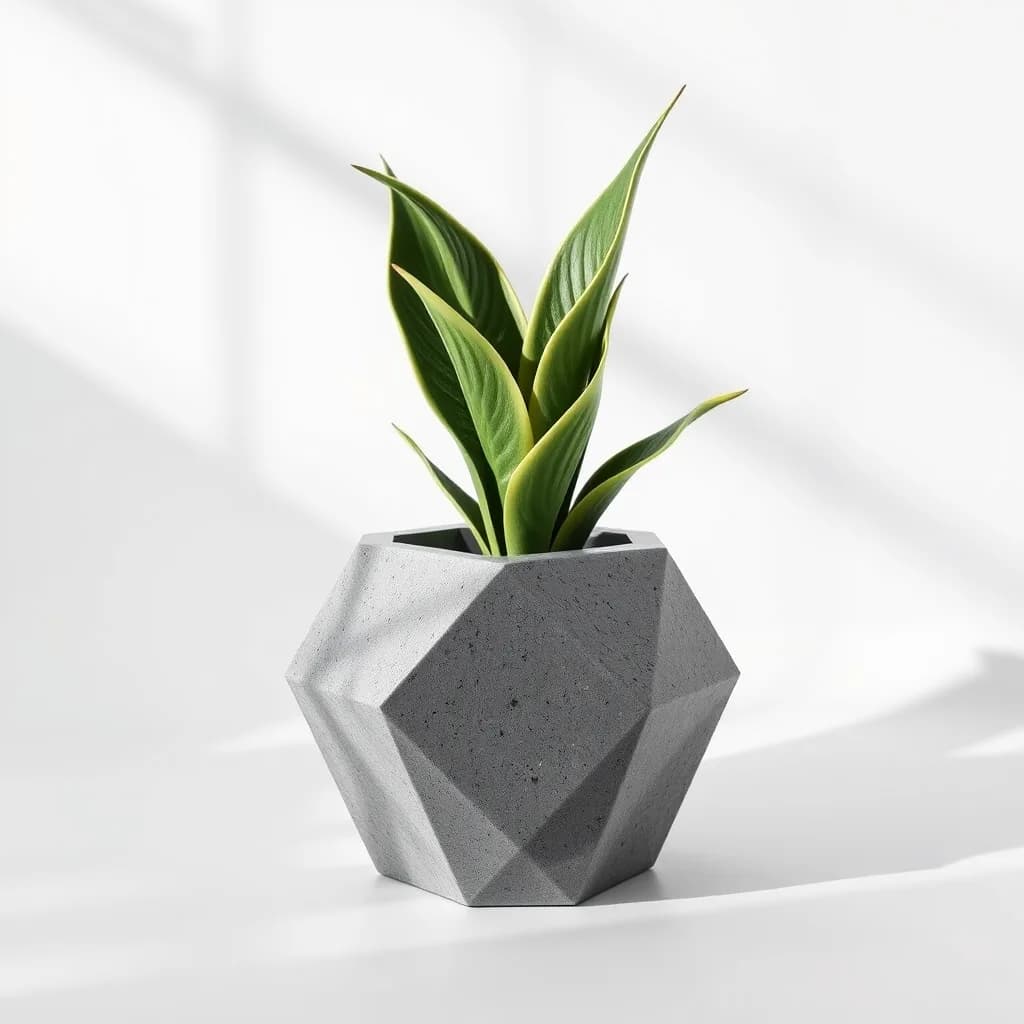
Obliq
Obliq
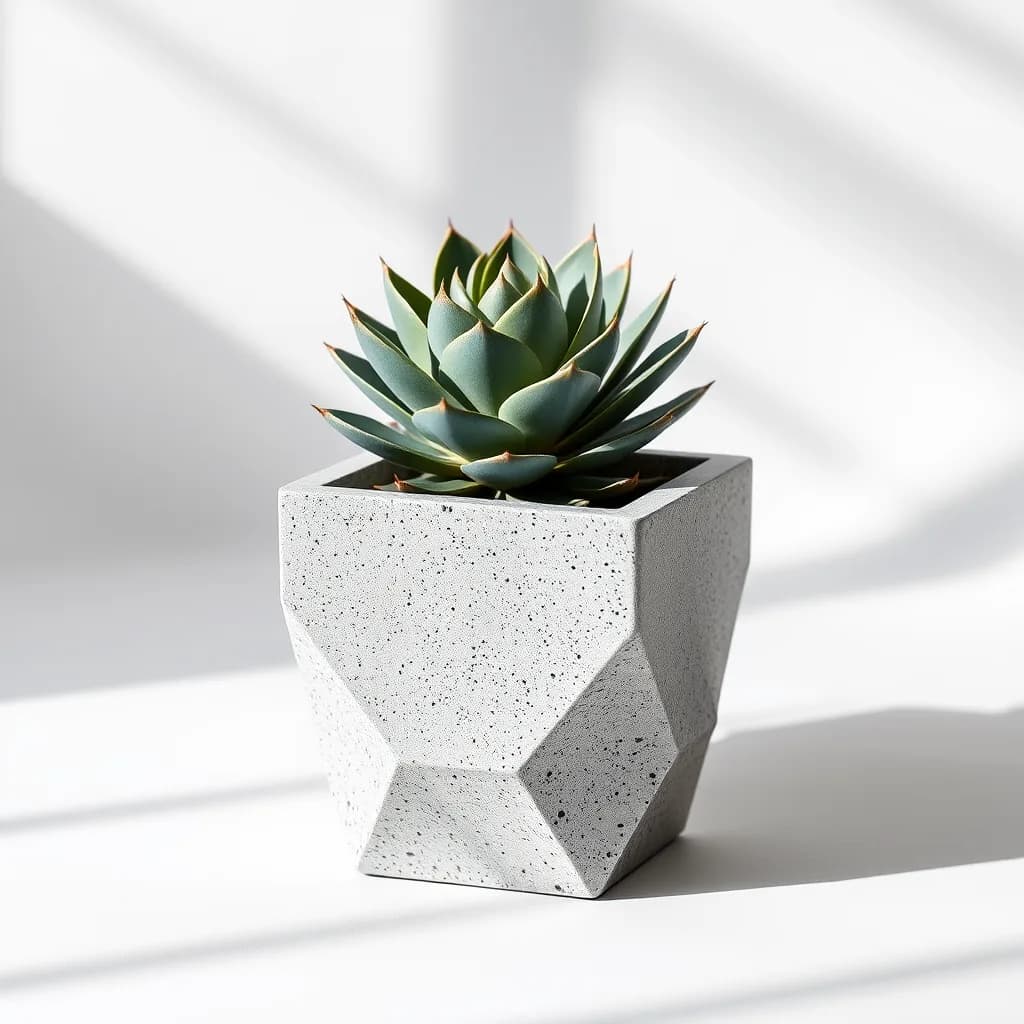
Low-poly facets and angular massing — math made tangible.
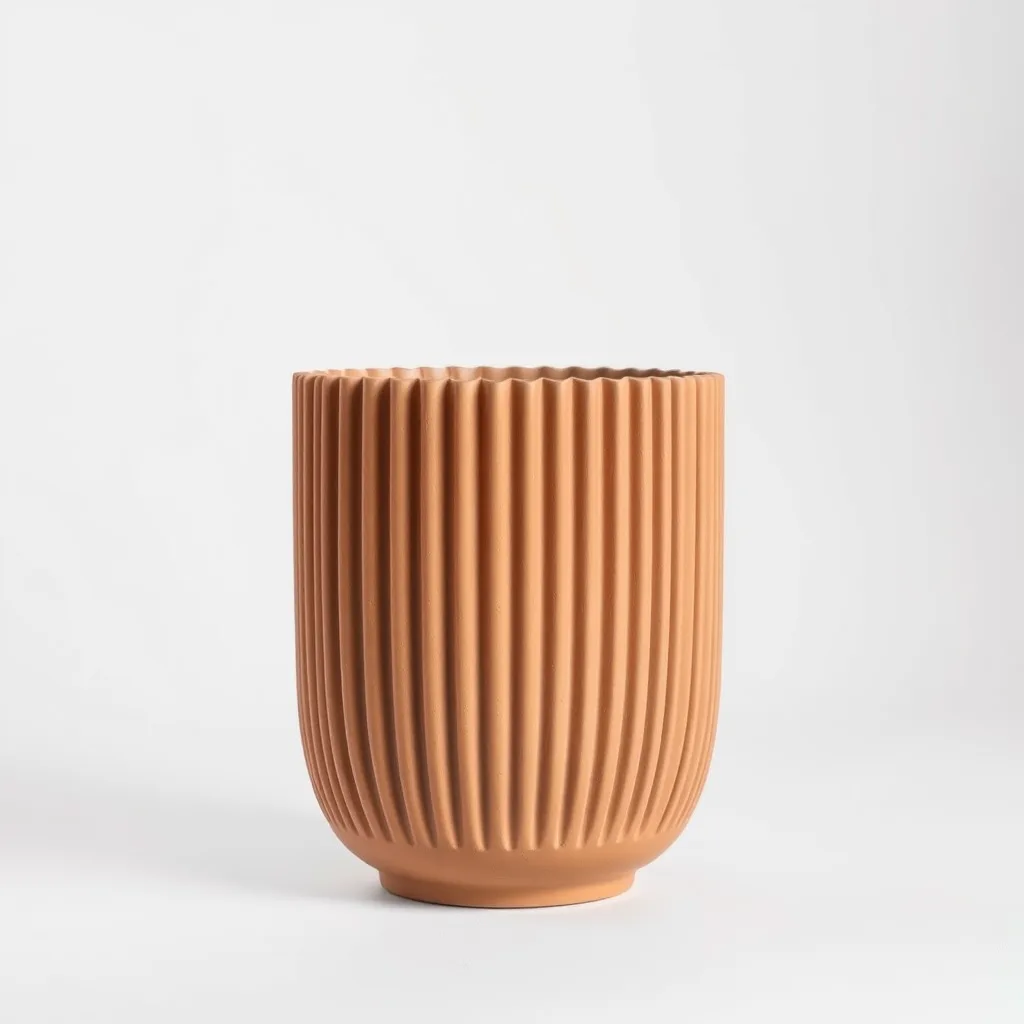
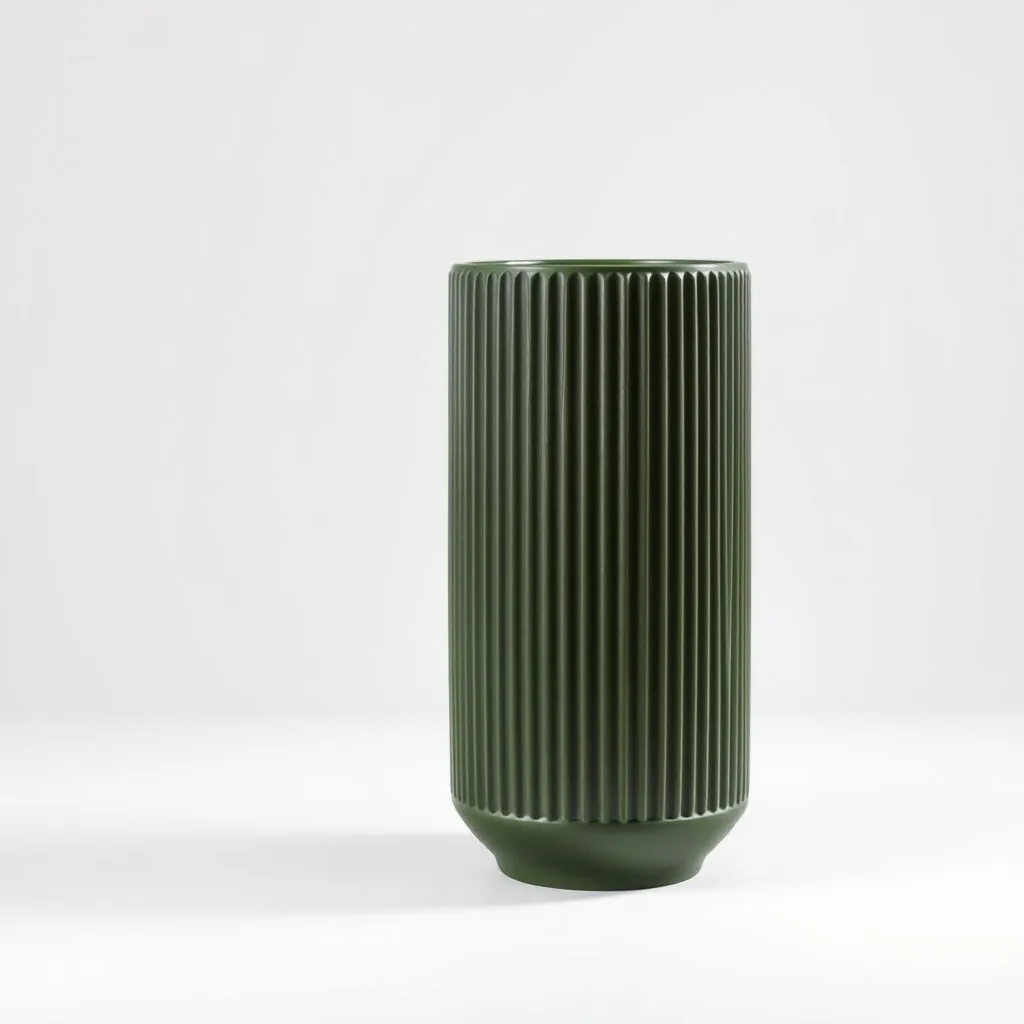
Cannello
Cannello
Fluted columns with deep vertical rhythm — timeless proportion, printed precision.